The History and Traditions of the Catholic Church: Why They Still Matter Today
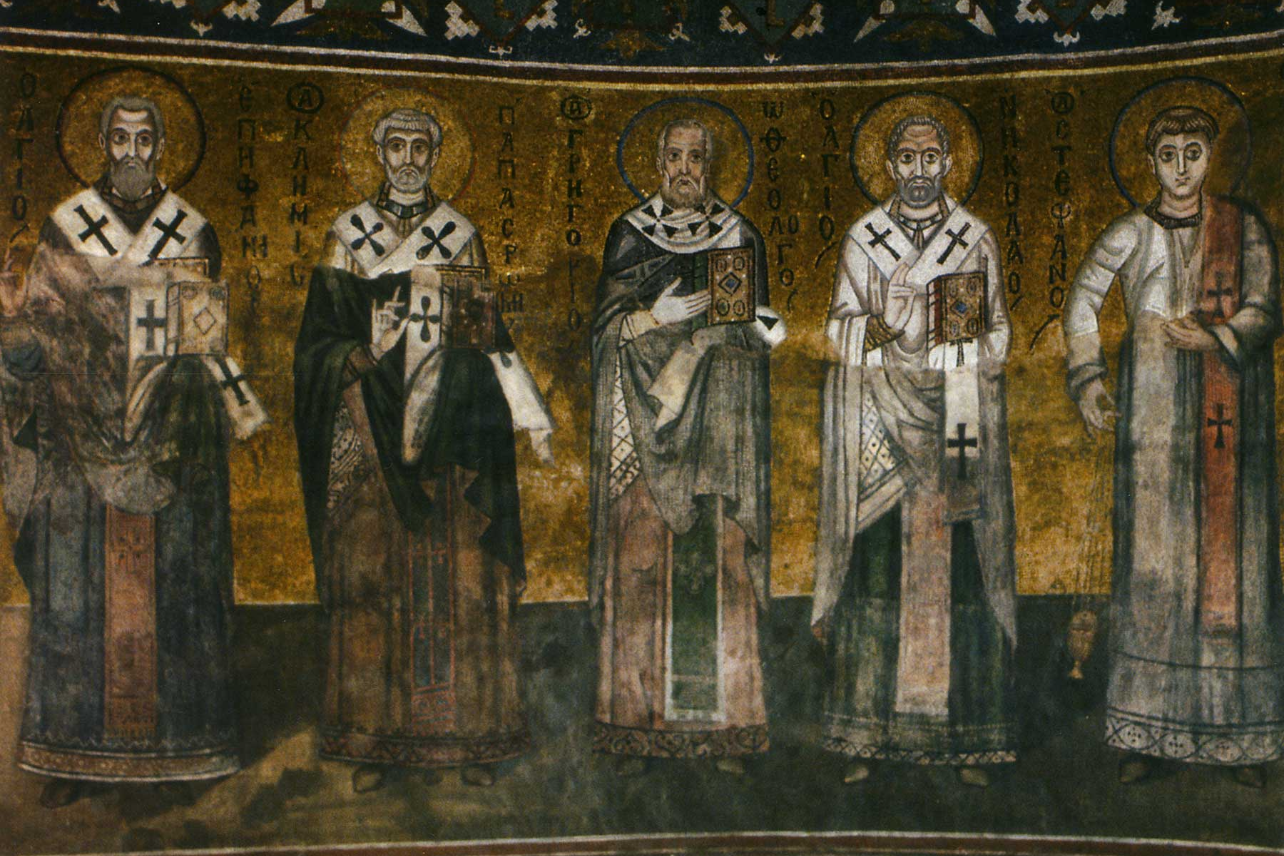
Lately I’ve found myself becoming more and more curious about the history of the Church. I’ve always LOVED history and find it extremely fascinating to learn the origins of how things came to be. So naturally, going on this journey of becoming Catholic, I’ve been researching and learning about the history of the Church.
Not just the big historical events or famous saints, but the deeper roots of the traditions that Catholics have practiced for centuries. The more I learn, the more I realize that many of these traditions didn’t appear suddenly later in history, they were already taking shape in the earliest Christian communities.
And that has made me want to understand them even more.
For me, learning about the history of the Church isn’t just about gaining knowledge. It’s about understanding the traditions of the faith so that I can live them more intentionally. When you know where something comes from and why it was practiced by the earliest Christians, it begins to carry a deeper meaning.
It becomes something you want to keep alive.
The Beauty of a Living Tradition
One of the things that has drawn me so deeply to the Catholic Church is the sense that it is part of a living tradition, one that stretches all the way back to the time of Christ and the apostles.
The faith has been handed down from generation to generation for nearly two thousand years. Along the way, countless believers have preserved teachings, practices, and ways of worship that continue to shape the Church today.
But I’ve also realized that many people, including myself until recently, don’t always know where these traditions come from.
We might see them in church or hear about them in passing, but we don’t always understand their origins or how deeply rooted they are in the history of Christianity.
Learning about that history has made me appreciate the faith in a completely new way.
Why These Traditions Matter
When we look back at the earliest Christians, we begin to see that many of the traditions practiced today were already part of the life of the Church very early on.
The first Christians gathered for worship on Sunday.
They prayed throughout the day.
They celebrated the Eucharist with reverence.
They fasted, confessed their sins, and lived their faith within a community guided by leaders appointed to shepherd the Church.
Understanding these practices helps us see that the Christian faith has always been more than just a set of beliefs. It has always been a way of life.
These traditions were not meant to be forgotten. They were meant to be passed down.
Why I Want to Learn More
One of the reasons I’ve become so interested in studying the early Church is because I want to understand these traditions more deeply so that I can practice them in my own life.
The more I learn about how the earliest Christians lived their faith, the more inspired I feel to incorporate those rhythms and traditions into my own spiritual life.
Learning about the past has a way of making the present feel more meaningful.
It reminds us that we are part of something much larger than ourselves, a story that began long before us and continues today.
What This Series Will Explore
Over the next several posts, I want to explore different parts of the Church’s history and the traditions that developed along the way.
Some of the topics I hope to cover include:
• The Apostolic Fathers and the earliest Christian writings
• The traditions and practices of the early Church
• The Church Fathers and how they shaped Christian theology
• Ancient Christian prayer rhythms and daily prayer
• The history behind traditions like veiling and fasting
• Early Christian worship and the development of the Mass
• Saints and historical figures who helped preserve the faith
My hope is that by exploring these topics, I can better understand the roots of the faith, and maybe help others discover them as well.
Keeping the Traditions Alive
One of the things that has struck me the most while learning about Church history is how many of these traditions were preserved simply because believers cared enough to keep them alive.
Generation after generation, Christians chose to protect what had been passed down to them.
They prayed the same prayers.
They gathered for worship.
They lived out the teachings of Christ.
And because they did, many of those traditions still exist today. Some have been forgotten or changed over time,but the more I learn about them, the more I feel drawn to preserve them. To me, these traditions are part of the roots of the faith, and they deserve to be remembered, honored, and kept alive.
So in this series, I want to go back to the beginning, learning from the earliest Christians and the traditions they practiced, so that we can better understand the roots of our faith and keep those traditions alive today.
Because when we understand the roots of our faith, we become more connected to the long line of believers who came before us.
And in a small way, we help carry that tradition forward.