Who Were the Apostolic Fathers? The Earliest Christian Leaders After the Apostles
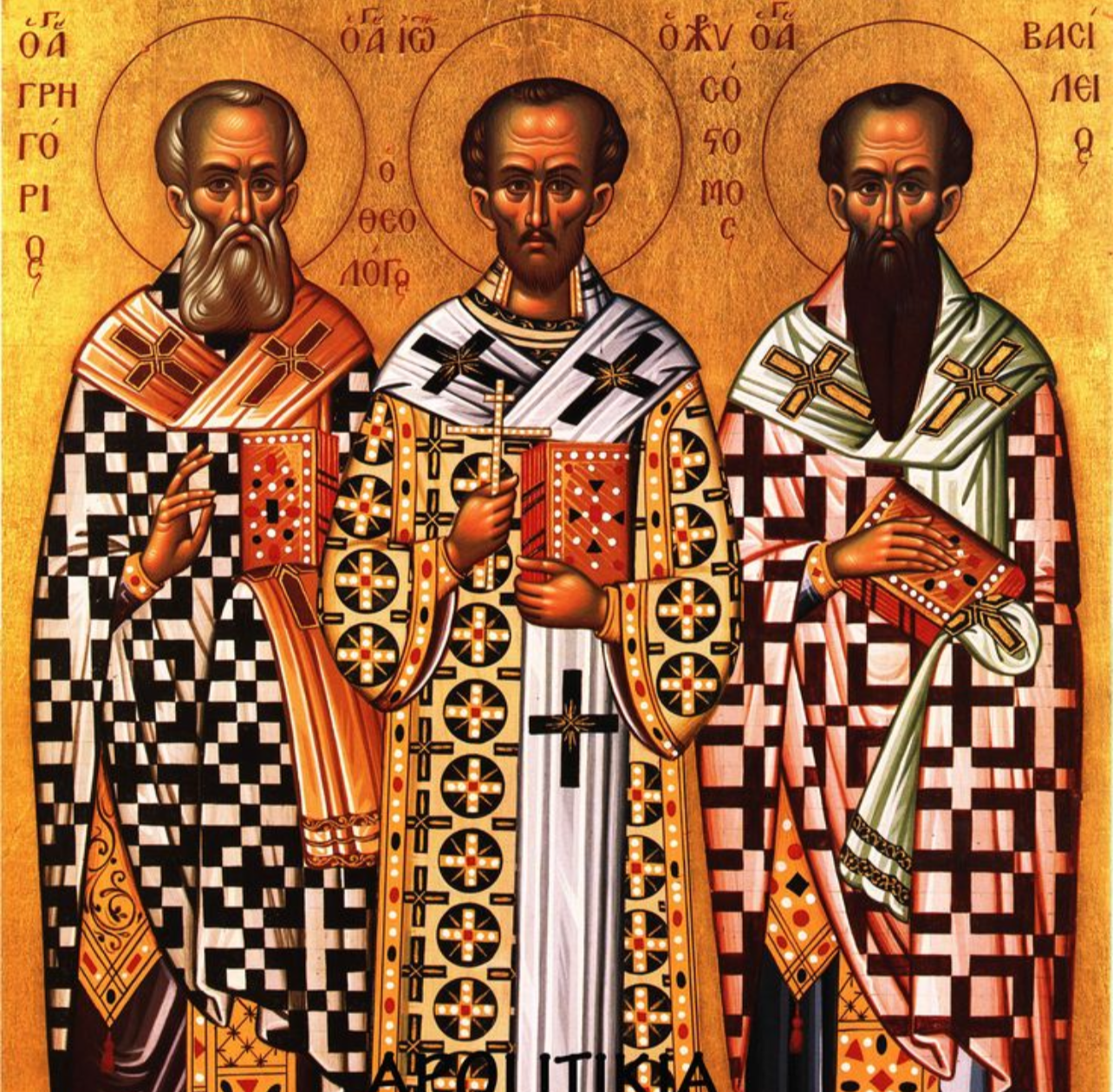
Saint Clement of Rome, Ignatius of Antioch and Polycarp of Smyrna
As I’ve been learning more about the Catholic faith, I’ve found myself becoming more and more curious about the history of the early Church.
Not just out of interest, but because I want to understand the traditions of the Church more deeply, especially the traditions that were practiced by the very first Christians. When we understand where these traditions come from, they begin to feel more meaningful. They stop being just things we do and become part of a living history that connects us to the earliest followers of Christ.
The more I learn, the more I realize that many of the traditions practiced in the Church today have roots that go back incredibly far, sometimes even to the generations immediately after the apostles.
That’s what led me to discover a group of early Christian writers known as the Apostolic Fathers.
Before recently, I had never even heard of them. But the more I began reading about who they were and what they wrote, the more I realized how important they are for understanding the earliest traditions of the Christian faith.
These were Christian leaders who lived very close to the time of the apostles, roughly between 70 AD and 150 AD. Some of them were even taught directly by the apostles themselves.
Which means when we read their writings, we are hearing voices from the very earliest generations of the Church.
And through their writings, we begin to see how the first Christians worshiped, prayed, and lived their faith.
Who Were the Apostolic Fathers?
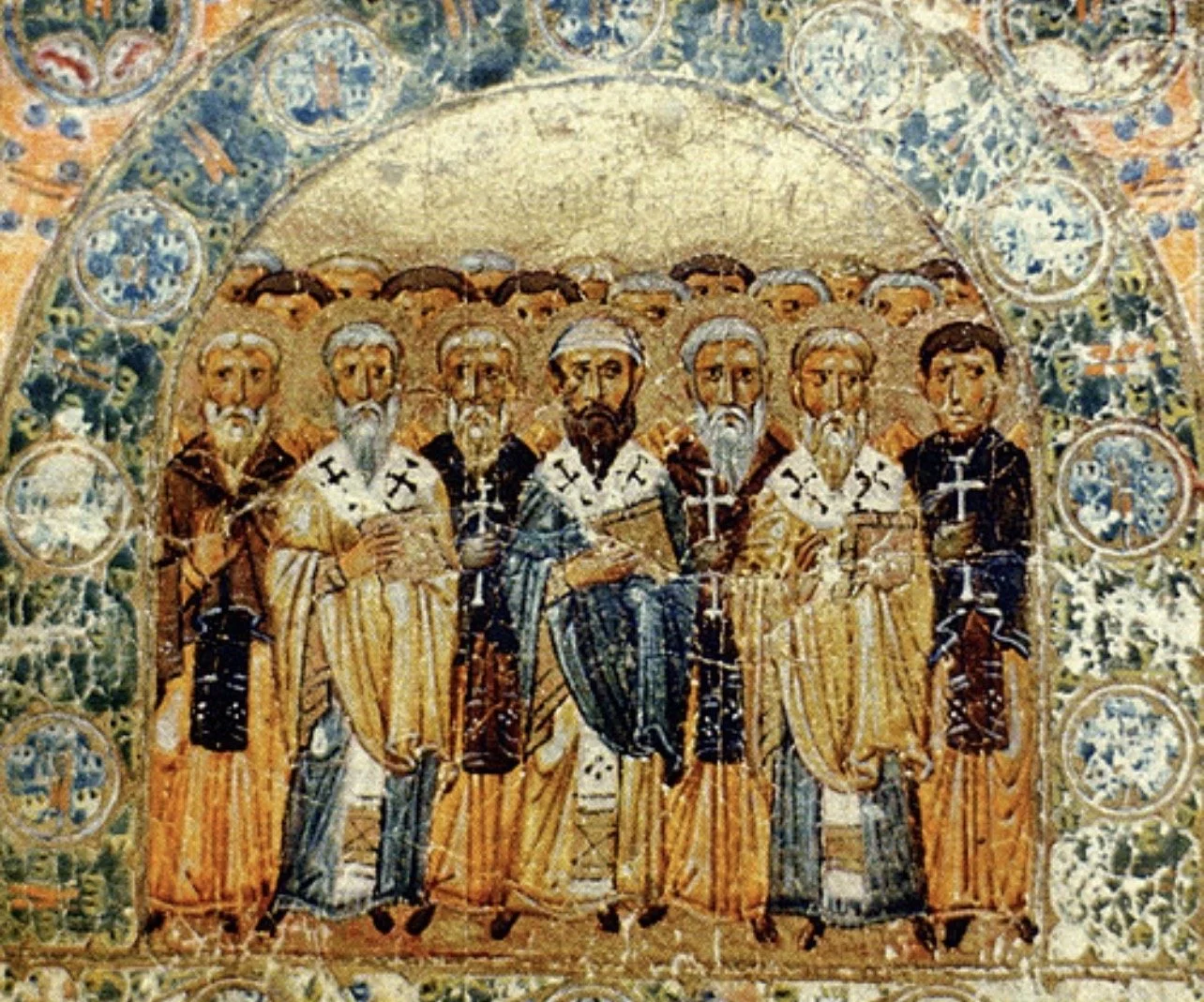
The Apostolic Fathers were early Christian bishops, teachers, and leaders who helped guide the Church in its earliest decades.
Some of the most well-known include:
• Saint Clement of Rome
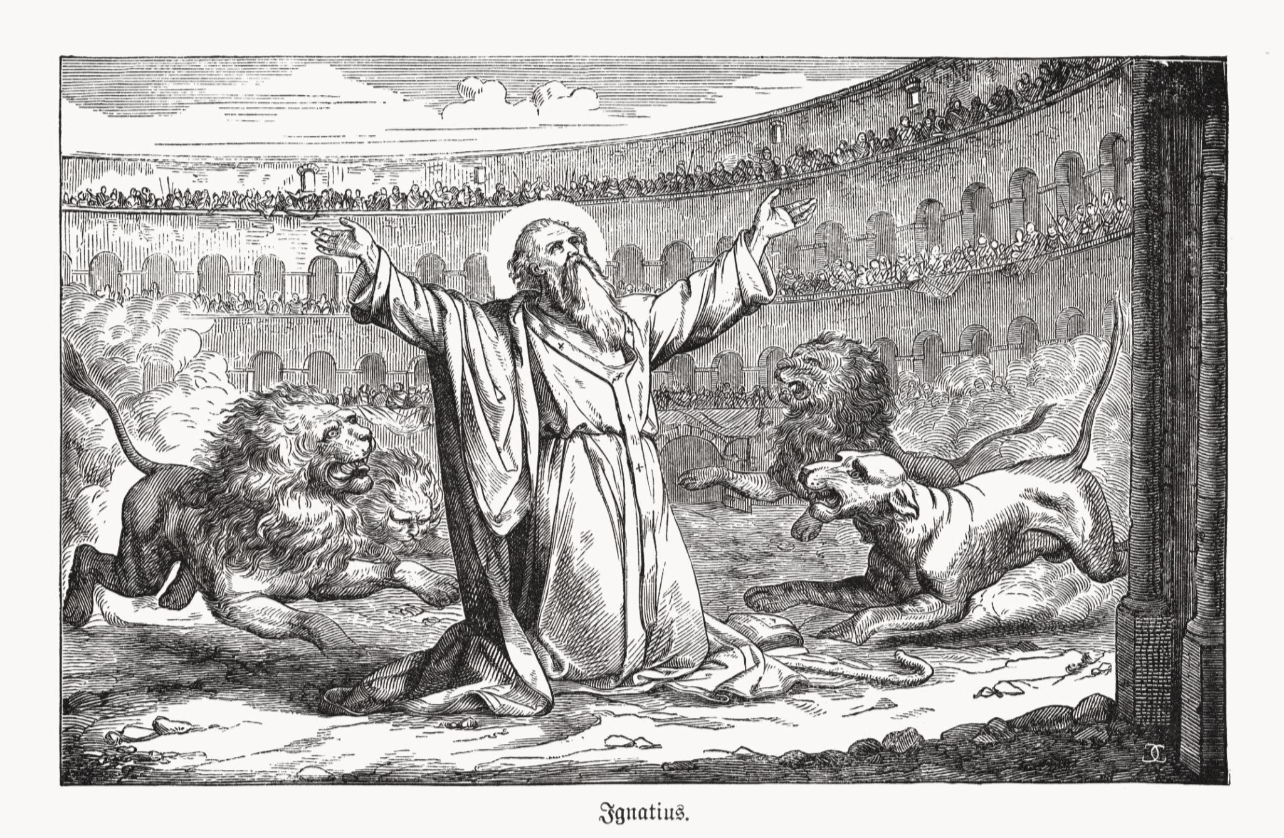
• Saint Ignatius of Antioch
• Saint Polycarp of Smyrna
These men lived during the late first and early second centuries, when Christianity was still very young and often facing persecution.
What makes them especially fascinating is how closely they were connected to the apostles.
For example, Polycarp was a disciple of the apostle John, meaning the teachings he shared were shaped by someone who had personally walked with Christ.
When we read their writings, we aren’t reading distant theology written centuries later. We are reading reflections from leaders who were part of the first generations of Christians.
The Writings of the Apostolic Fathers
The writings of the Apostolic Fathers have been preserved in a collection known as The Apostolic Fathers.
Some of the most important texts include:
Didache
The Letter of Clement to the Corinthians
The Letters of Ignatius of Antioch
The Letter of Polycarp to the Philippians
The Martyrdom of Polycarp
The Shepherd of Hermas
These writings give us a remarkable glimpse into the life of the early Church.
They talk about:
Christian moral teaching
worship and prayer
church leadership
the Eucharist
how Christians lived their faith in daily life
For historians and theologians, these texts are incredibly valuable because they show us what Christianity looked like immediately after the New Testament era.
Three Powerful Windows Into the Early Church
Some passages from these writings are especially striking because they show how early certain Christian practices already existed.
Sunday Worship and the Eucharist
From the Didache:
“On the Lord’s Day, gather together and break bread and give thanks, after confessing your sins so that your sacrifice may be pure.”
This short instruction reveals that early Christians were already gathering on Sunday, celebrating the Eucharist, and preparing themselves through confession.
The Eucharist and Christ
From Saint Ignatius of Antioch:
“They abstain from the Eucharist and from prayer because they do not confess that the Eucharist is the flesh of our Savior Jesus Christ.”
Ignatius wrote these words around 107 AD while traveling to Rome for martyrdom. His letters show how central the Eucharist already was to Christian worship.
Leadership in the Church
From Saint Clement of Rome:
“The apostles appointed the first leaders of the Church… and afterward they provided a continuing succession.”
Clement explains that the apostles intentionally established leadership in the Church so that their teachings would continue after them.
Why Learning About the Apostolic Fathers Matters
For me, discovering the Apostolic Fathers has made the history of the Church feel much more real.
Sometimes it’s easy to think of Church history as something distant or abstract.
But these writings remind us that the Christian faith was being lived and practiced by real communities from the very beginning.
These early leaders were helping Christians learn:
how to worship
how to pray
how to live morally
how to remain united as a Church
Many traditions that continue today, Sunday worship, reverence for the Eucharist, and structured leadership, were already taking shape during their time.
Why Learning About the Apostolic Fathers Matters Today
As I continue learning about the history of the Church, one thing has become very clear to me: the Christian faith didn’t just appear fully formed centuries later. It was lived, practiced, and carefully passed down from the very beginning.
The Apostolic Fathers remind us that the traditions of the Church are not random customs that developed much later. Many of them were already taking shape in the earliest Christian communities, within only a generation or two of the apostles themselves.
When I read their writings, I’m reminded that the faith we practice today is part of something much larger than our own moment in history. It’s part of a tradition that stretches all the way back to the first followers of Christ.
For me personally, learning about these early Christian writers isn’t just about studying history. It’s about understanding the roots of the faith so that I can practice it more intentionally.
The more we understand how the earliest Christians prayed, worshiped, and lived, the more we can reconnect with the traditions that shaped the Church from the beginning.
Sometimes it’s easy to think of history as something distant, but the Apostolic Fathers remind us that the Church has always been a living community of believers trying to remain faithful to what they received.
Their writings are like a bridge between the apostles and the generations that followed.
And by learning from them, we’re reminded that the traditions of the Church are not just relics of the past, they are part of a living faith that continues today.
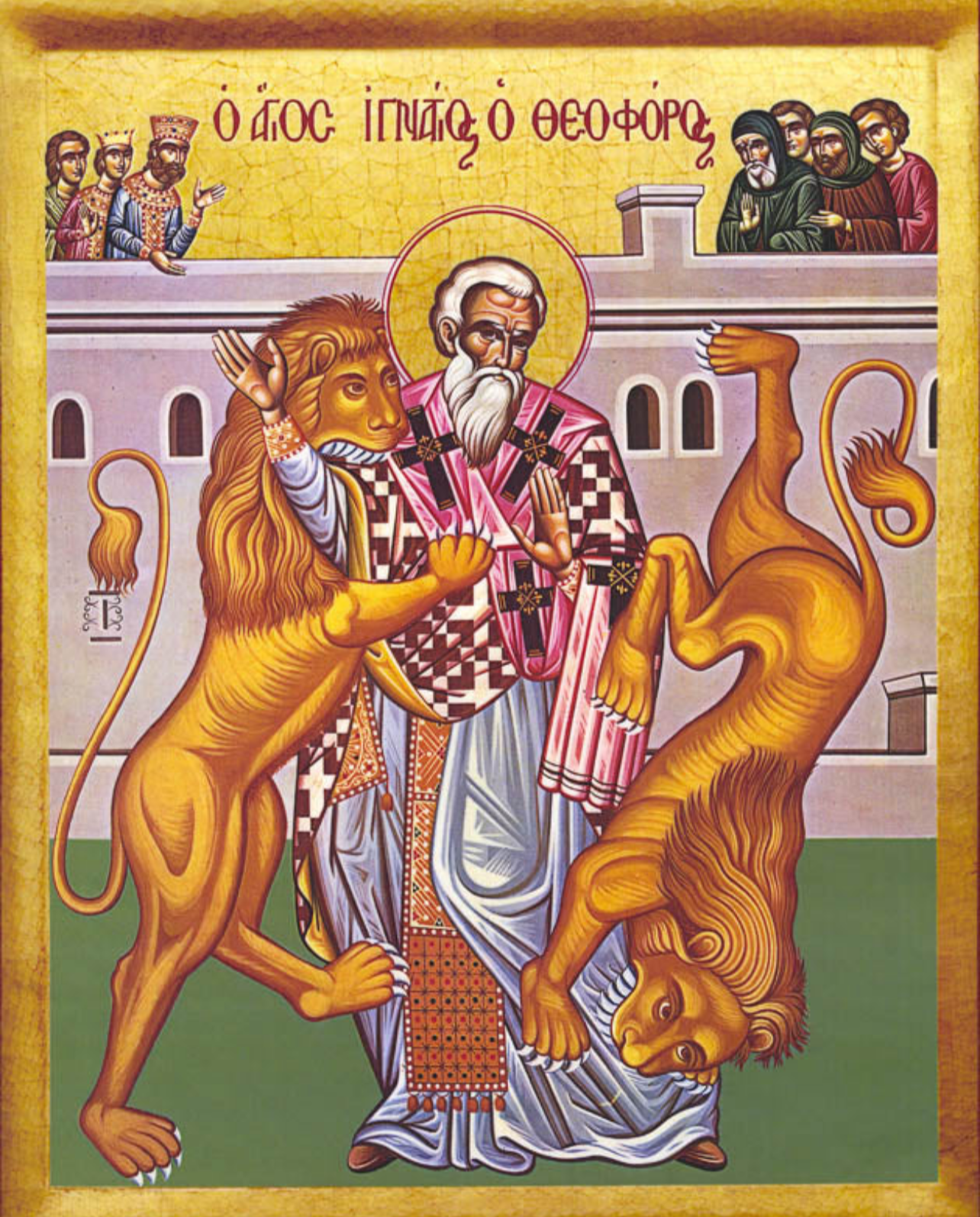
St. Ignatius of Antioch
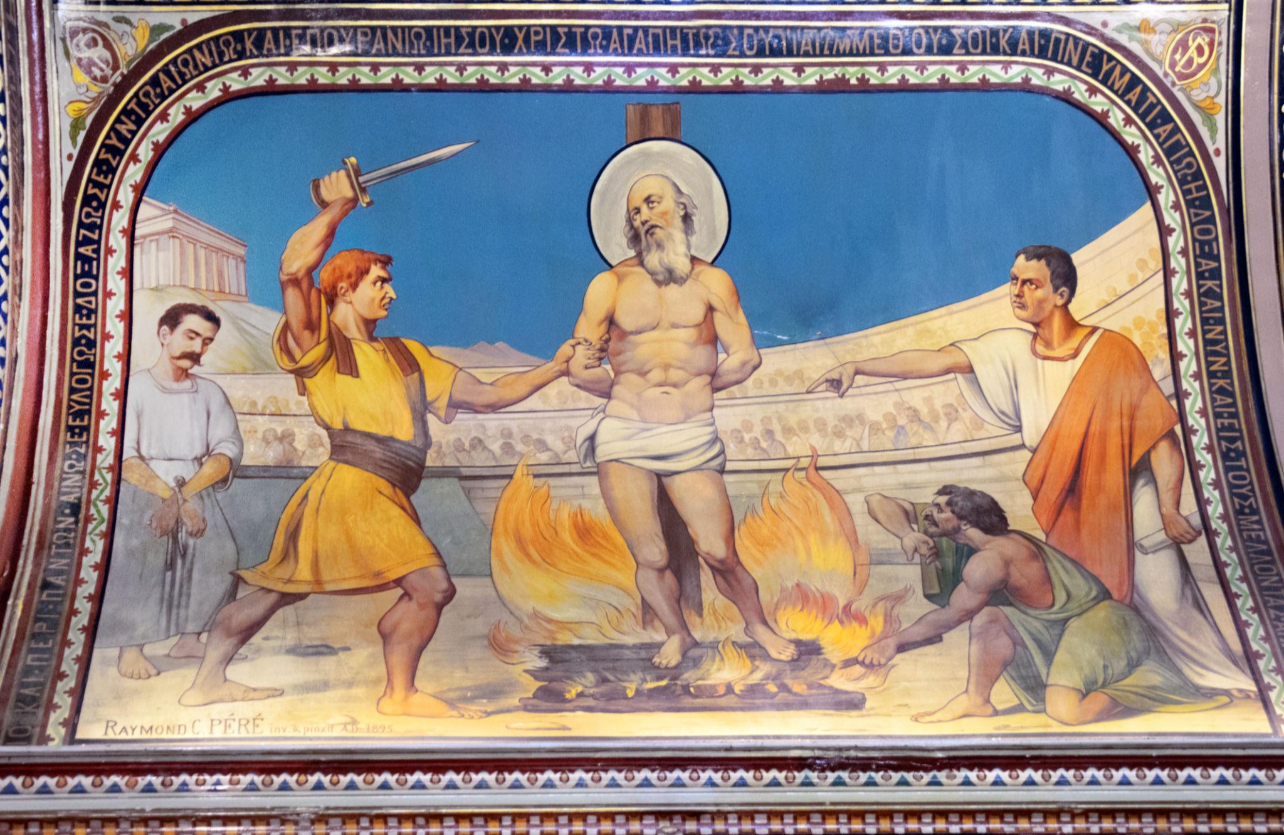
St. Polycarp